
Fire Risk Assessment Hotel - Compare Qualified Assessors From £300
Get matched with experienced fire risk assessors for hotels, boutique hotels, chain hotels and motels. Request free quotes with no obligation.
Request Free QuoteLast updated: August 2026
Simple 3-Step Process
Tell Us About Your Hotel
Complete our quick form with details about your hotel, number of rooms and guest capacity.
We Match You With Assessors
We connect you with qualified professionals who specialise in hotel fire safety.
Compare & Choose
Receive competitive quotes and select the best option for you.
Fire Risk Assessments for Hotels and Hospitality Venues
Fire Risk Assessments (FRAs) are a legal requirement for all hotels providing sleeping accommodation. Under the Regulatory Reform (Fire Safety) Order 2005, the "responsible person" — typically the hotel owner, operator, manager, or person who has control of the premises — must ensure a suitable and sufficient assessment is carried out. This applies regardless of the number of guests or employees.
Hotels and hospitality venues present significant fire safety challenges. High occupant density, large commercial kitchens, laundry facilities, multiple electrical devices, guests unfamiliar with the layout, and in some cases, high-rise or historic buildings with complex compartmentation all contribute to increased fire risk. A properly conducted FRA identifies potential hazards, evaluates existing safety measures, and recommends improvements to protect guests, staff and the business.
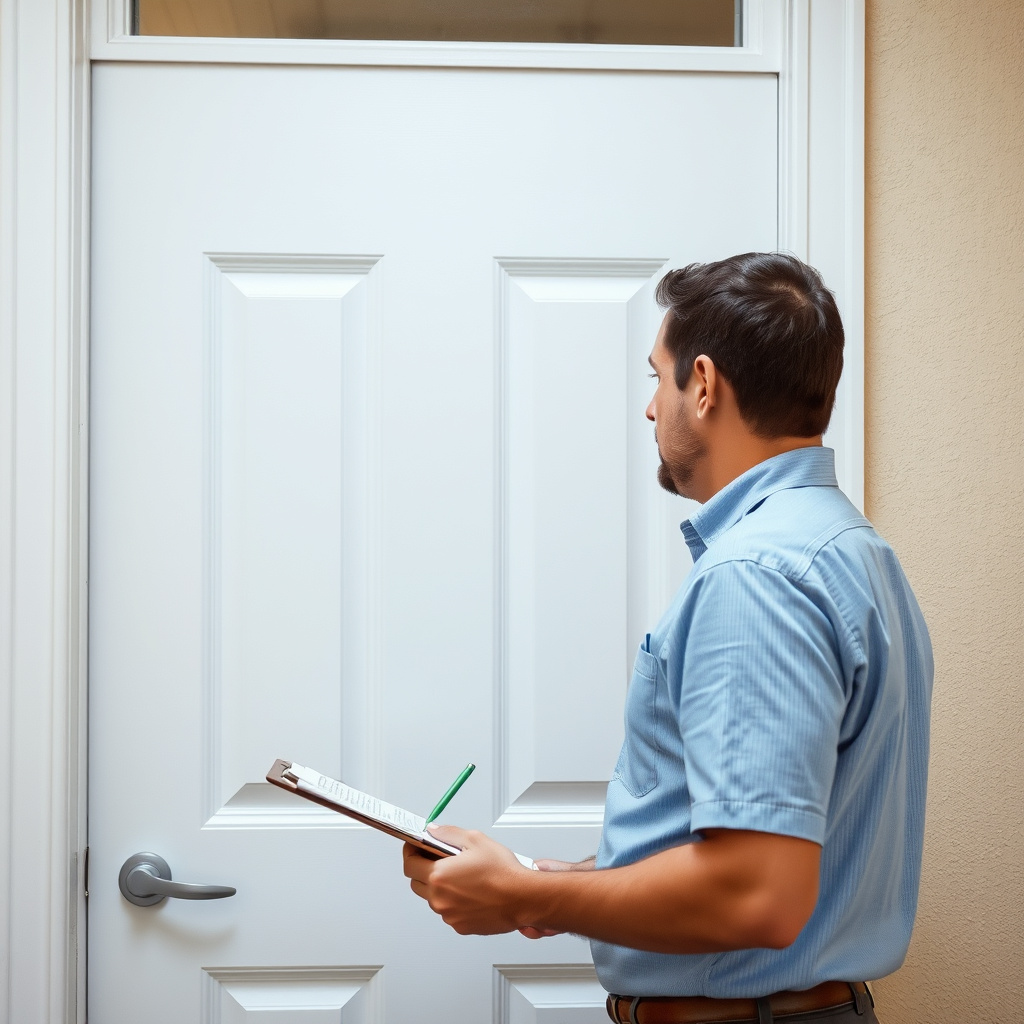
Experienced assessors inspecting hotels and hospitality venues across the UK

We help you simplify your fire safety compliance
FireRiskQuote is a free comparison service that helps you find qualified fire risk assessors for your hotel. Instead of searching for individual providers, you submit one request and we handle the rest — saving you time and money.
We cover all types of hotel accommodation, including boutique hotels, chain hotels, motels, serviced apartments, and other hospitality venues. For specialist requirements, see our cost guides or location-specific pages.
Quick Facts - Fire Risk Assessment Hotel
- Price: From £300 to £2,000+
- Legal requirement: Yes - RRFSO 2005
- Property types: Boutique hotels, chain hotels, motels, serviced apartments, hospitality venues
- Turnaround: Usually within 3-5 working days
- Assessor qualifications: NEBOSH, IFE, hotel specialists
- Responsible person: Hotel owner, operator, manager, or person in control
- Key legislation: RRFSO 2005, Fire Safety Act 2021, Building Safety Act 2022
- Service: Free quote comparison, no obligation
Why Your Hotel Needs a Fire Risk Assessment
Fire risk assessments are essential for protecting guests, staff, and visitors from the risk of fire. They are not just a legal requirement — they are a fundamental part of responsible hotel management. A properly conducted FRA identifies potential hazards, evaluates existing safety measures, and recommends improvements to keep everyone safe. For hotels, the consequences of a fire can be catastrophic, both in terms of human life and business reputation.
Under the Regulatory Reform (Fire Safety) Order 2005, the responsible person must:
- Carry out a suitable and sufficient FRA of the premises.
- Identify general fire precautions needed to ensure the safety of relevant persons.
- Record significant findings (this is mandatory for all hotels, regardless of the number of employees).
- Implement preventive and protective measures.
- Keep the assessment under review and update it where necessary.
Hotels should follow the Fire safety risk assessment: sleeping accommodation guide published by the Home Office. This comprehensive guide covers fire safety management, means of escape, fire detection and warning, firefighting equipment, and other important aspects of fire safety for hotels and other sleeping accommodation.
What a Hotel Fire Risk Assessment Covers
- Fire doors: Condition, self-closing devices, and integrity
- Escape routes: Accessibility, lighting, signage, and guest unfamiliarity
- Fire detection: Automatic fire detection and warning systems (BS 5839)
- Firefighting equipment: Extinguishers, fire blankets, sprinkler systems
- Electrical systems: Fixed wiring inspection, PAT testing of appliances
- Heating systems: Annual inspection of all heating and hot water systems
- Chimneys & flues: Annual sweeping if applicable
- Commercial kitchens: Kitchen extract systems, fire suppression, fire blankets
- Laundry facilities: Lint filters, electrical safety, storage of combustibles
- Documentation: Records, fire action notices, evacuation plans, staff training records, fire drill logs, guest information
Hotel-Specific Fire Hazards
High Occupant Density
Hotels have a higher number of occupants than most other types of accommodation, which increases the risk of fire and the potential for casualties. Fire safety measures must be designed to accommodate the number of guests and staff present.
Commercial Kitchens
Hotel kitchens are a major source of fire risk. Cooking equipment, deep fat fryers, and extract systems require regular maintenance and inspection. Fire suppression systems and fire blankets are essential.
Laundry Facilities
Hotels with laundry facilities face additional fire risks from lint accumulation in dryers, electrical faults, and storage of combustible materials. Regular cleaning and maintenance are essential.
Electrical Overload
Guests may bring multiple electronic devices, leading to potential electrical overload. Ensure sockets are not overloaded and consider providing guests with clear guidance on safe use of electrical equipment.
Guest Unfamiliarity
Guests are often unfamiliar with the layout of a hotel, which can make escape more difficult in an emergency. Clear signage, fire action notices in every room, and a simple emergency escape plan are essential.
High-Rise and Historic Buildings
Many hotels are in high-rise or historic buildings. These may have features that affect fire safety, such as timber beams, concealed roof spaces, or lack of modern compartmentation. A competent assessor will understand how to navigate these challenges.
Who is the "Responsible Person"?
In a hotel, the responsible person could be:
- The hotel owner or operator.
- The hotel manager.
- A person who has control of the premises (e.g., a management company).
The responsible person can appoint a competent fire risk assessor to carry out the FRA, but they remain legally accountable for ensuring it is done and acted upon.
How Much Does a Fire Risk Assessment for a Hotel Cost?
For a hotel, you can expect costs to range from £300 to £800 for a smaller hotel, and up to £2,000 or more for larger or more complex properties. The price varies depending on:
- The size of the hotel (number of rooms and floors).
- The complexity of the building layout.
- Whether the building is listed or in a conservation area.
- Specific hazards like commercial kitchens, laundry facilities, swimming pools, or historic features.
- Whether the hotel is part of a larger chain with additional compliance requirements.
We provide free, no-obligation quotes so you can compare prices and choose the best option for your hotel.
Why Choose FireRiskQuote for Your Hotel?
- Free service: No hidden fees, no obligation.
- Hotel specialists: Assessors who understand the unique requirements of hotels, boutique hotels and hospitality venues.
- Quick turnaround: Receive quotes within days, not weeks.
- Compare options: Choose from multiple quotes to get the best value.
- Peace of mind: All assessors are vetted and qualified, with up-to-date knowledge of the latest guidance and regulations.
Get Your Free Fire Risk Assessment Quote for Your Hotel Today
Don't leave fire safety to chance. Whether you run a small boutique hotel or a large chain hotel, we can help. Click below to request your free, no-obligation quotes.
Request Free Fire Risk Assessment QuotesFire safety is a legal and moral responsibility — protect your guests and stay compliant with a professional fire risk assessment.
This page was last reviewed to reflect current UK fire safety legislation, including the RRFSO 2005, Fire Safety Act 2021, Building Safety Act 2022, and the Home Office 'Fire safety risk assessment: sleeping accommodation' guidance.
Frequently Asked Questions - Fire Risk Assessments for Hotels
Is a fire risk assessment legally required for a hotel?
Yes. Under the Regulatory Reform (Fire Safety) Order 2005, every hotel providing sleeping accommodation must have a suitable and sufficient fire risk assessment. This applies regardless of the number of guests or employees.
Who is the "responsible person" for a hotel?
The responsible person is typically the hotel owner, operator, manager, or the person who has control of the premises. They are legally accountable for ensuring the FRA is carried out and acted upon.
What are the specific fire risks in a hotel?
Hotels face unique risks including high occupant density, large commercial kitchens, laundry facilities, multiple electrical devices, guests unfamiliar with the layout, and in some cases, high-rise or historic buildings with complex compartmentation.
What guidance applies to fire safety in hotels?
Hotels should follow the 'Fire safety risk assessment: sleeping accommodation' guide published by the Home Office. For hotels with sleeping accommodation, this guide provides comprehensive fire safety advice.
Do I need to record my fire risk assessment?
Yes. Recording your fire risk assessment is mandatory for all hotels, regardless of the number of employees. The significant findings must be documented and kept on file.
Are sprinklers required in hotels?
For hotels with a floor level more than 18m above ground level, automatic fire suppression (sprinklers) may be required. For many modern hotels, sprinklers are a standard feature. The FRA will identify whether sprinklers are needed or recommended.
How much does a fire risk assessment for a hotel cost?
Costs typically range from £300 to £800 for a smaller hotel, and up to £2,000 or more for larger or more complex properties. We provide free quotes so you can compare.
What happens if a hotel doesn't have a fire risk assessment?
Failure to carry out a suitable and sufficient FRA is a breach of the Regulatory Reform (Fire Safety) Order 2005. This can result in enforcement action, fines, or even prosecution. It also poses a serious risk to guests and staff, and may affect insurance, business reputation, and the ability to operate.
Disclaimer: The information on this website is provided for general guidance only and should not be relied upon as fire safety, legal, or professional advice. Every property presents unique fire safety risks and legal requirements. Always consult a competent fire risk assessor or fire safety specialist before taking action. We accept no liability for any loss or damage resulting from reliance on the information provided.